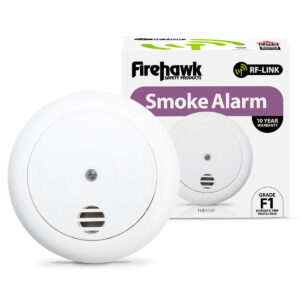

Working smoke alarms save lives. Make sure you have enough.

THE FIRE KILLS CAMPAIGN IS A UK GOVERNMENT INITIATIVE, SUPPORTED BY FIRE SAFETY GUIDANCE FROM THE NATIONAL FIRE CHIEFS COUNCIL (NFCC), HELPING HOUSEHOLDS REDUCE THE RISK OF FIRE-RELATED DEATHS.
PREVENTION
Cook safely
Most house fires start in the kitchen. Remind people to stay alert while cooking, especially while using hobs or hot oil. Keep children, pets, and loose clothing away from cookers, never leave pans unattended and always double check appliances are switched off after you’ve finished cooking.
Electrical safety
Faulty or overloaded electrics are a major fire risk. Encourage people to only use one plug per socket and avoid overloading extension leads. Make sure appliances and chargers have proper safety marks and unplug devices when not in use.
Heating
Keep portable heaters clear of curtains, furniture and other fabric and never dry clothes on or close to a portable heater. Check electric blankets for wear and tear to fabric and wiring.
Furniture
Make sure furniture carries a permanent fire-resistant label.
Smoking
Cigarettes are the biggest killer in domestic fires. Remind people to stub cigarettes out fully, never smoke in bed, and to use sturdy ashtrays. Put it out, right out.
Candles
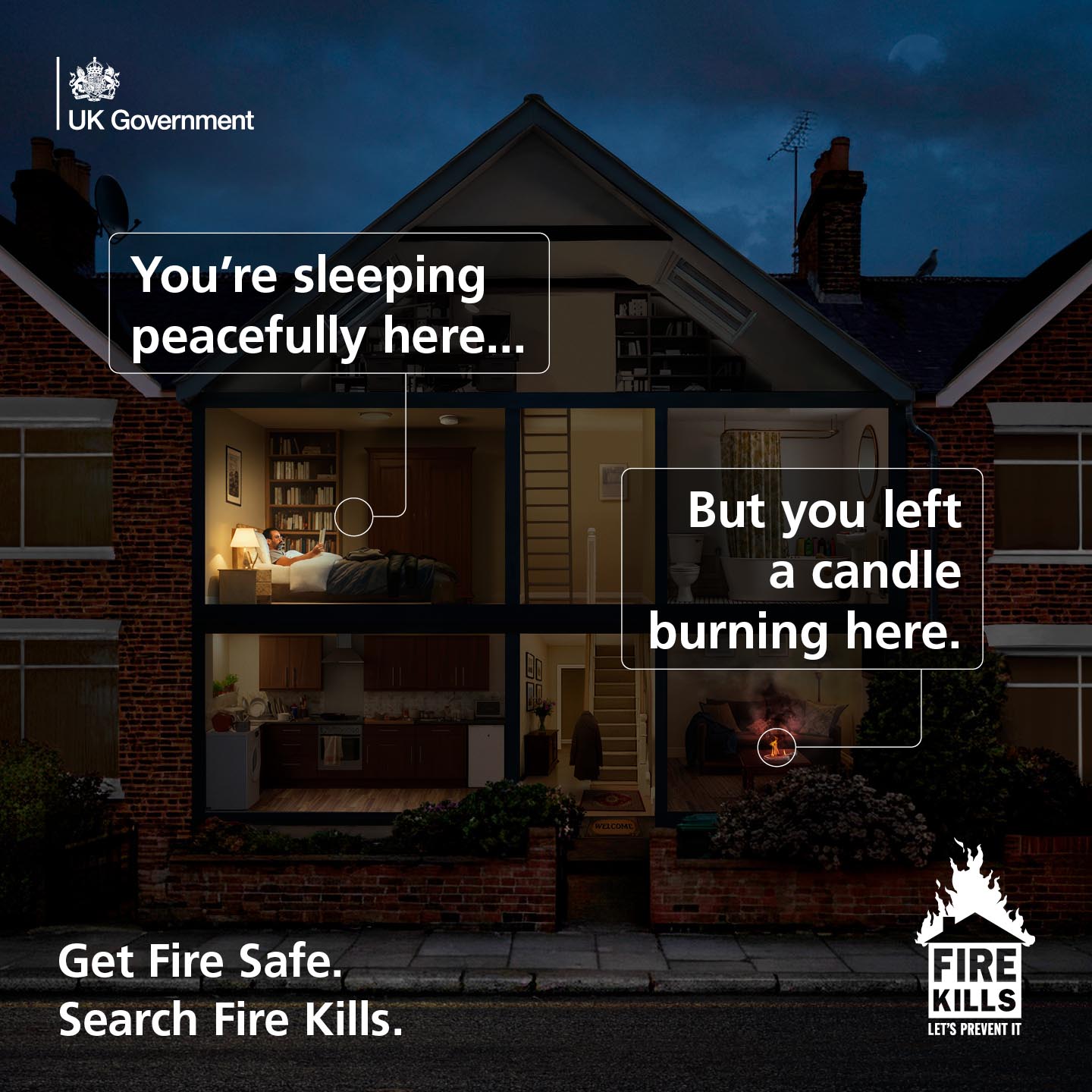
Candles should always be secured in stable, heat-resistant holders, kept away from anything flammable, and extinguished when leaving the room or when you go to bed.
DECTECTION

Fit smoke alarms throughout your home
Get more alarms in more places to make sure you’re covered. The best position is on ceilings, in the middle of rooms, hallways, and landings so alarms can be heard across the home. Consider fitting smoke alarms in the most used rooms, including bedrooms. Don’t fit smoke alarms in or near kitchens or bathrooms where steam may trigger false alarms. If you can’t fit alarms yourself, your local fire and rescue service may be able to help.
Test and maintain smoke alarms regularly
Test alarms at least once a month by pressing the button until it sounds. If your alarms have replaceable batteries, change them once a year and only remove them when doing so. If an alarm chirps to signal a low battery, replace it immediately. Clean alarms every six months by vacuuming to remove dust. Always check the expiry date on your alarms and replace them in good time.
Mains-powered alarms are powered by your home electricity supply and have a back-up battery in case of a power cut. They need to be installed by a qualified electrician and, like battery alarms, they do require testing- this tests both the power supply and the smoke detection mechanism. Some battery or mains alarms can be interlinked, so that when one alarm detects a fire they all go off together, giving you warning wherever you are in your home.
ESCAPE

Know your escape routes
Fitting smoke alarms is the first step, but having a clear escape plan could save your life. Encourage people to plan and practise their exit routes and make sure everyone in the home knows them. This is especially important for anyone with physical or mental disabilities or mobility challenges who may need extra time or support to escape safely.
The primary route should be the normal way in and out but always identify a second route in case the first one is blocked.
Keep exits clear and accessible
Remind people to keep doors, windows, and escape routes free from obstructions. Door and window keys should be stored where everyone can find them.
If the windows have window restrictors, ensure occupants know how to manually override them. Practising the escape plan regularly helps everyone remember what to do in an emergency.
THE FACTS ABOUT HOME FIRES
If a fire breaks out in your home, every second is crucial. The earlier you are warned, the greater the chance of making it out safely. But the truth is too many people are still under-protected, relying on too few smoke alarms in too few places.
Fires can start in any room, at any time. Without the right coverage of smoke alarms, you may not hear the warning in time to escape.
The facts are revealing:
You are around 11 times more likely to die from a fire in the home if you do not have any working smoke alarms.
Smoke did not reach a smoke alarm in more than a third of fires in the home.
About 200 people a year die in fires in the home.
BEDTIME CHECKLIST
Many fires start overnight. Take a moment to do some checks before you go to bed:
Close inside doors at night to stop a fire from spreading.
Turn off and unplug electrical appliances unless they are designed to be left on – like your freezer.
Check your cooker is turned off.
Don’t run appliances such as washing machines, tumble dryers and dishwashers overnight.
Turn heaters off and put up fireguards.
Put candles and cigarettes out properly.
Make sure exits are kept clear.
Keep door and window keys where everyone can find them.